Christopher Brett – Senior Advisor
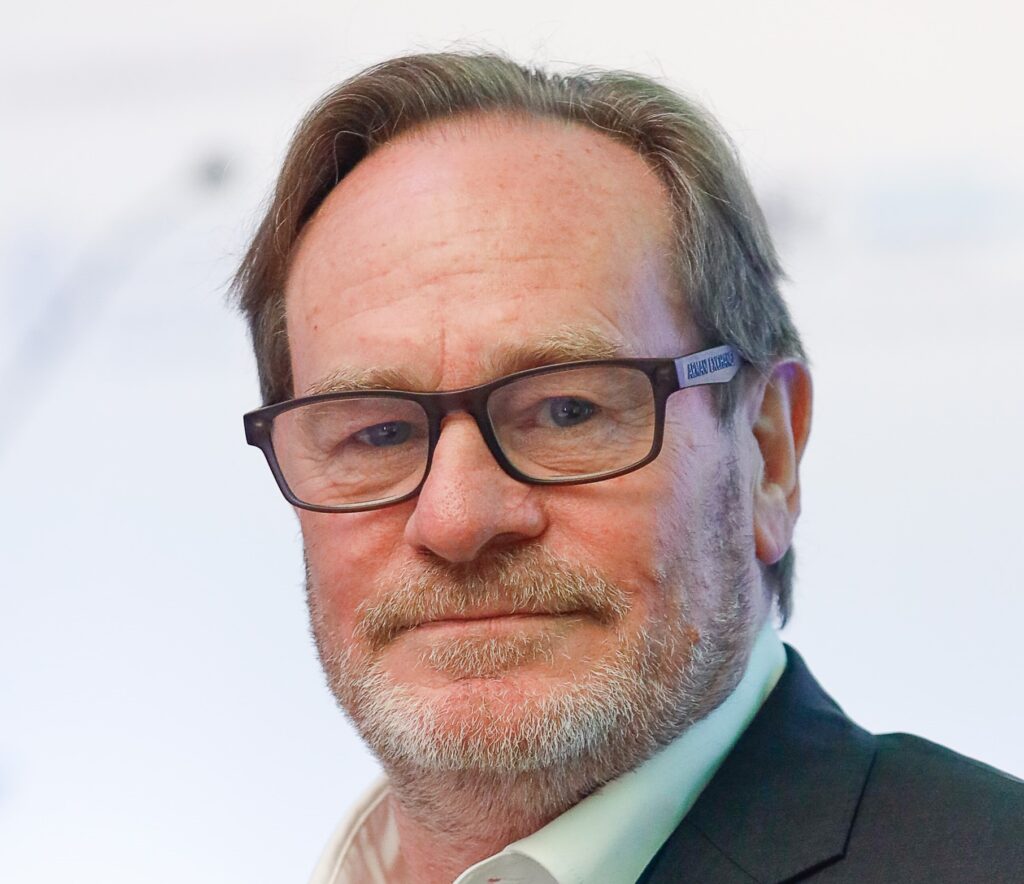
He has a Master’s Degree in Management for Agricultural Development from Cranfield University in the United Kingdom. He has forty years’ experience of working within the public, private and voluntary sectors in Africa, Asia and Latin America.
In November 2016 he was appointed as the Lead Agribusiness Specialist at the World Bank within the Agriculture & Food Global Department, part of the leadership strategy and delivery team. Initially based in Washington DC (6 years) and then relocated to Rome (3 years). Key responsibilities of the role were to; 1) technically support the evolving global AGF investment portfolio which was $25 billion by June ’25, focusing on the value chain investments that integrated smallholders / SMEs to markets; 2) led the development and delivery of the GEF funded FOLUR program which has a specific focus on standards within agricultural commodities; 2) led the development and establishment of the PROBLUE / Korea Government funded AquaInvest Platform focusing on sustainable aquabusiness development in public and private sectors; 4) led the delivery of the AgResults Research and Innovation challenge program; and 5) represented the AGF Global Department within the World Bank Group working with the IFC and MIGA. He retired from the World Bank in August 2025.
Prior to the World Bank, in 2007, he joined Olam International as Head of Corporate Responsibility & Sustainability, part of the senior management team. He directly supported the company to transition from a trading company into a global agri-business supply chain management company. He supported the implementation of a corporate growth strategy, through the development of an operational team, robust systems and processes that led the company; 1) to invest in direct upstream plantations, concessions and farming operations; 2) to expand a procurement network to reach 3.9 million global smallholder farmers, that had direct linkages 700,000; and 3) to build and acquire 145 agricultural processing units and integrate them into the production and procurement systems. As of September 2016 $9.6 billion had been invested as capital in implementing the corporate growth strategy.